
The 8th Report on Ethical Finance in Europe presents evidences of how ethical finance is now a necessary, solid and credible model that serves the common good rather than a niche alternative.
Share this post:
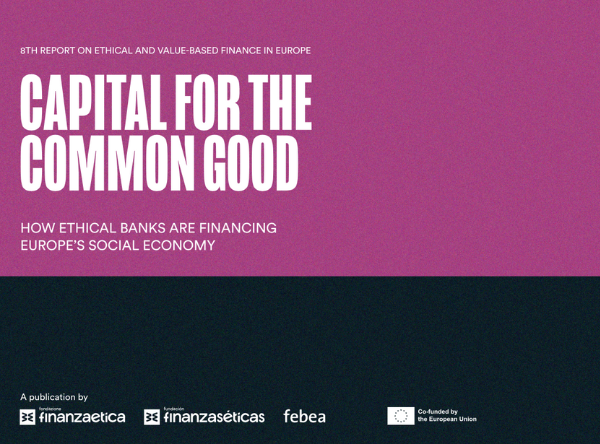
This report, co-authored by FEBEA, Fundación Finanzas Éticas and Fondazione Finanza Etica combines together three main analyses: the robustness, credit quality and social impact of ethical banks in Europe; a comparison of their performance with mainstream banks; and a focus on the social economy, described as their main partner and operational field. Together, these perspectives aim to provide a comprehensive picture of how ethical banks function and why their model is particularly relevant now.
The text echoes messages from EU institutions, stressing that ethical finance is “in tune with our times” and supported by EU social economy and sustainable finance agendas. It frames ethical finance as part of a broader European effort to build a fairer, more inclusive and sustainable economic system.
As the ESF+ appears to be questioned in the new Commission’s plans, Social Economy organizations unite to call for stronger support.

A position paper co-authored by FEBEA and the Sustainable Banking Coalition on the Omnibus Proposal.
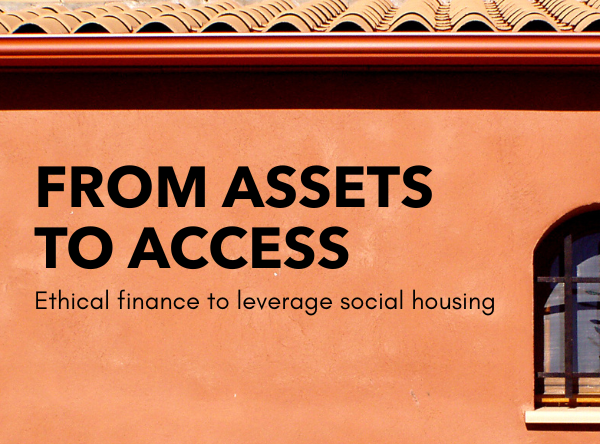
Ethical financiers are taking action to address the housing crisis by supporting and promoting various models of social housing.
Watch the webinar of the discussion around Social Housing and Ethical Finance here.