
The document outlines alternative finance options like crowdfunding, crowdlending, crowdequity, and other innovative models, providing detailed access guides and examples for each.
Share this post:
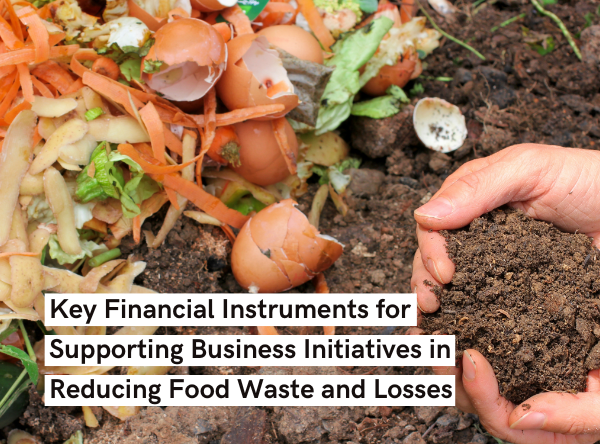
This briefing paper, developed under the EU’s FOODRUS project, explores diverse financial strategies to support sustainable food enterprises focused on reducing food waste. The document outlines alternative finance options like crowdfunding, crowdlending, crowdequity, and other innovative models, providing detailed access guides and examples for each. It emphasizes the importance of ethical and sustainable investments in the agri-food sector, such as impact investing, venture philanthropy, and grants. With insights into how these financial tools can drive environmental impact and social value, this resource is ideal for social entrepreneurs and investors interested in sustainable business models within the food sector.
The briefing has been developed based on the information collected in the framework of the FoodRUs project under deliverable 4.2 – Building capacity.
The 8th Report on Ethical Finance in Europe presents evidences of how ethical finance is now a necessary, solid and credible model that serves the common good rather than a niche alternative.
As the ESF+ appears to be questioned in the new Commission’s plans, Social Economy organizations unite to call for stronger support.

A position paper co-authored by FEBEA and the Sustainable Banking Coalition on the Omnibus Proposal.